
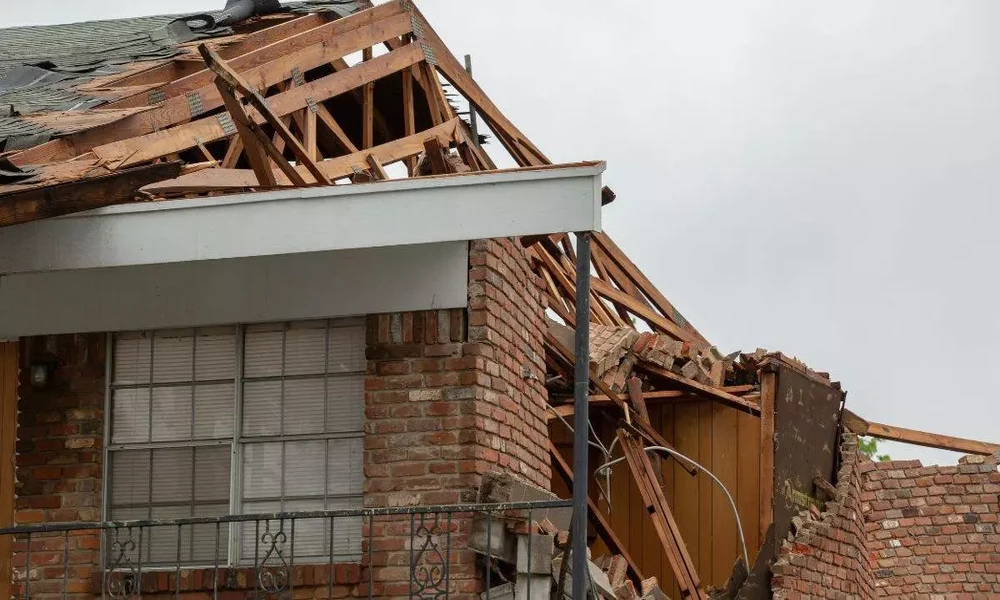
Last spring, a hail storm rolled through south city, and by morning a hardware store on Gravois had three shattered storefront windows, a scarred roof, and a line of people standing on the sidewalk staring at it. The owner told me the weird part wasn’t the damage. It was the two hours of not knowing what to do next.
That gap is the whole story. You survived the fire, the wind, the break-in. Your building didn’t. And the hours right after matter more than most people realize, because that’s when an exposed structure is the most vulnerable. What follows is the practical playbook: how securing a building works, who you call, what it should cost you in stress, and how to keep one bad night from turning into three bad months. Most of it applies whether you own a four-family flat in Tower Grove or a warehouse near the riverfront.
Why the First Few Hours Decide Everything
Damage doesn’t stop when the storm does. An open building keeps taking hits, and they stack up fast.
- Weather exposure. One more rain on an open roof can ruin drywall, insulation, and flooring that survived the original event untouched. The National Weather Service tracks storm systems across the region continuously, which is worth checking before you assume you’ve got until tomorrow.
- Theft and vandalism. An unsecured building is an invitation, and everyone from scrappers to opportunists knows it. Copper wiring, tools, and inventory walk away quietly.
- Compounding structural damage. Water gets into places water was never meant to go, and wood that stays wet starts doing things you can’t reverse.
- Insurance complications. This one surprises people. If you could have prevented additional damage and didn’t, your claim can shrink. Adjusters ask a simple question: what did you do once you knew?
I’d argue that last point is the real reason to move quickly, even ahead of the physical damage. You can replace a window. Arguing with a claims adjuster about why the window stayed open for a week is a much longer fight.
What Emergency Board Up Actually Involves
People picture plywood and a nail gun, which is part of it, but a real board up job is closer to temporary construction than carpentry.
Window and door boarding comes first because those are the openings thieves and rain use. Crews cut panels to fit, secure them so they don’t rattle or pry loose, and mark them so nobody mistakes your building for abandoned.
Roof tarping is the next priority when the roof is compromised. A properly anchored tarp sheds water and buys you weeks, which matters because roofing schedules fill up after a major storm hits a whole neighborhood at once.
Wall stabilization handles the scary stuff. If a vehicle hit the building or a fire weakened a load-bearing section, temporary shoring holds things in place until an engineer or contractor can make permanent repairs.
Then there’s the unglamorous final piece: debris and rubble removal, so the property is safe to walk and your contractor can actually reach the damage. According to guidance from Ready.gov, the federal preparedness resource, protecting a damaged structure quickly is one of the most effective ways to limit total loss after a disaster. That’s the entire logic of board up work in one sentence.
St. Louis Has Its Own Damage Patterns
Every city damages buildings its own way, and St. Louis is no exception. The region sits in a corridor that produces severe thunderstorms, hail, and the occasional tornado, and the housing stock does it no favors. Brick two-family flats and century-old storefronts are beautiful until a window frame fails, at which point you’re dealing with plaster, lath, and masonry instead of modern drywall.
The National Fire Protection Association has documented for years that fire damage is only the beginning; smoke, water from suppression efforts, and structural compromise typically extend the loss well beyond the flames themselves. I’ve watched a small kitchen fire turn into a month-long displacement because nobody boarded the back door the same night and a raccoon found its way in. True story, and the owner still brings it up.
A Practical Walkthrough: What to Do in Order
Here’s the sequence I’d follow if a storm or fire hit a building I owned tonight. It’s built around one idea I call the Secure, Document, Delegate framework, because the three jobs are genuinely separate and mixing them up wastes the hours that matter.
- Secure. Get people out and stay out until the fire department or utility crew says otherwise. Then get the building closed up, either with plywood you own or by calling a crew. Don’t wait for a contractor estimate before covering a hole.
- Document. Before, during, and after the board up, photograph everything. Wide shots of each room, close-ups of damage, and pictures of the boarded openings once they’re finished. This is your insurance file, and you’ll want it organized before the adjuster arrives.
- Delegate. Call your insurer the same day to open the claim. Call a restoration or board up company that answers at 2 a.m., not one that returns your voicemail Thursday. You can find emergency board up services in St. Louis, MO, that dispatch around the clock, which is the standard you want in any city.
- Protect the contents. Move what’s salvageable away from water, cover what you can’t move, and don’t throw anything away until your adjuster has seen it. Yes, even the ruined stuff.
- Plan the rebuild. Boarding up is a bridge, not a destination. Start lining up permanent repairs while the temporary protection is still doing its job.
One caveat on step three: ask whether the company handles insurance paperwork. A crew that photographs the damage and sends documentation directly to your adjuster saves you a week of phone tag, and that’s often worth more than a slightly lower bid.
What It Costs, and Why Cheap Gets Expensive
Board up pricing depends on square footage, number of openings, height, and time of day. A single broken window on a storefront is a modest job. A full building with a damaged roof and shored walls is not. Anyone quoting you a flat number over the phone without asking questions is guessing.
Here’s my honest take: this is the wrong line item to bargain hunt on. A rushed job that fails in the next rainstorm means paying twice and filing a second claim. What you actually want is a crew that shows up when they say they will, secures the building so it stays secured, and hands you documentation your insurer accepts without a fight. Those three things are the whole product.
And if you’re the owner of a building that’s currently open to the sky, stop reading and make the call. The building won’t wait, and neither will the weather.
One Question Worth Asking Yourself
The next time you pull into your own parking lot, look at your building the way a storm would. Where would the water get in first? Which window is closest to the street? If the answer is “I’ve never thought about it,” that’s fine. Now you have.