

Planning an outdoor cooking space feels exciting at first. Until one small decision makes everything awkward. Limited space. Poor material choices. Something just does not flow. The majority of these issues stem from simple mistakes, and the good news is that they can be prevented with foresight and proper advice at the initial stages.
Designing for Photos Instead of Real Life
This happens more often than people admit. A layout looks stunning online, so it must work, right? Not always. Before settling on a design, think about how you actually cook and entertain.
Consider things like:
- How many people usually gather around
- Whether you prep food outside or inside
- How often will you really use the space
Outdoor kitchens are supposed to be natural to move in, well-planned. In contrast, the untidy ones look good but become uncomfortable within a ten-minute time frame.
Choosing Materials That Don’t Belong Outdoors
The other common blunder is the application of interior-quality materials in an exterior setting. And sun, rain, heat, and cold are unaccommodating.
Common problems include:
- Cabinets warping over time
- Surfaces staining or cracking
- Metal parts are corroding faster than expected
Spending a little more on weather-appropriate materials usually saves you from replacing things much sooner than planned.
Underestimating Storage and Worktop Space
People often assume they will “manage” with minimal storage. That rarely lasts. Cooking outdoors still involves tools, plates, seasonings, and cleaning bits that need a home.
This is where modular outdoor kitchens that can be assembled quietly shine. Their versatility will enable you to add storage and preparation space where they are actually needed, rather than having a fixed design that will never seem to fit your lifestyle.
A Sensible Approach to Outdoor Kitchen Design
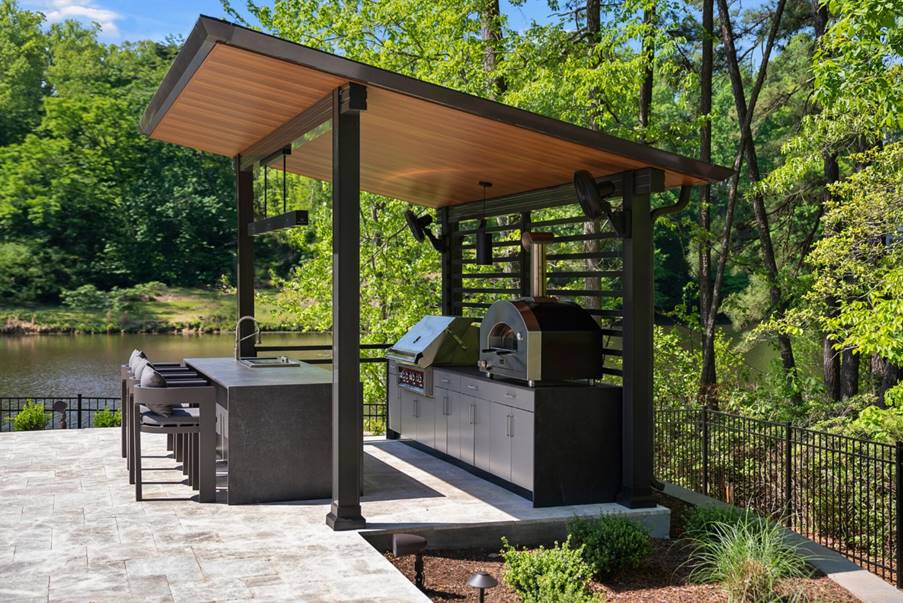
When browsing the BBQs2u site, it seems the designs of Whistler Cirencester outdoor kitchens are well thought out but not overstated. The balance between preparation space, storage, and cooking areas is practical, which helps avoid many common planning errors.
The product pages also explain configurations clearly, which is refreshing. For someone chcking this site, it makes imagining the kitchen in a real garden setting much easier, not just as a polished display.
Treating the Sink as an Afterthought
Sinks don’t always get enough attention during planning, yet they are used constantly. Poor placement or flimsy construction can become irritating very quickly.
The Whistler Cirencester sink highlights how small details matter. A comfortable depth, durable finish, and sensible positioning can make cleaning up feel simple instead of annoying. It is one of those things you don’t notice much until it is done badly.
Skipping Expert Advice Completely
It may sound powerful to do everything by yourself, but one might miss details. Problems with drainage, spacing, and ventilation will tend to manifest themselves post-installation.
Even a short conversation with experienced suppliers can:
- Prevent layout mistakes
- Improve long-term durability
- Help you get better value overall
- It should not be a project that requires repairs every now and then, but rather a delight that one should feel when using outdoor kitchens. It is these pitfalls that can be avoided when the excitement is over, and it comes to actual use.Top of Form
Bottom of Form