
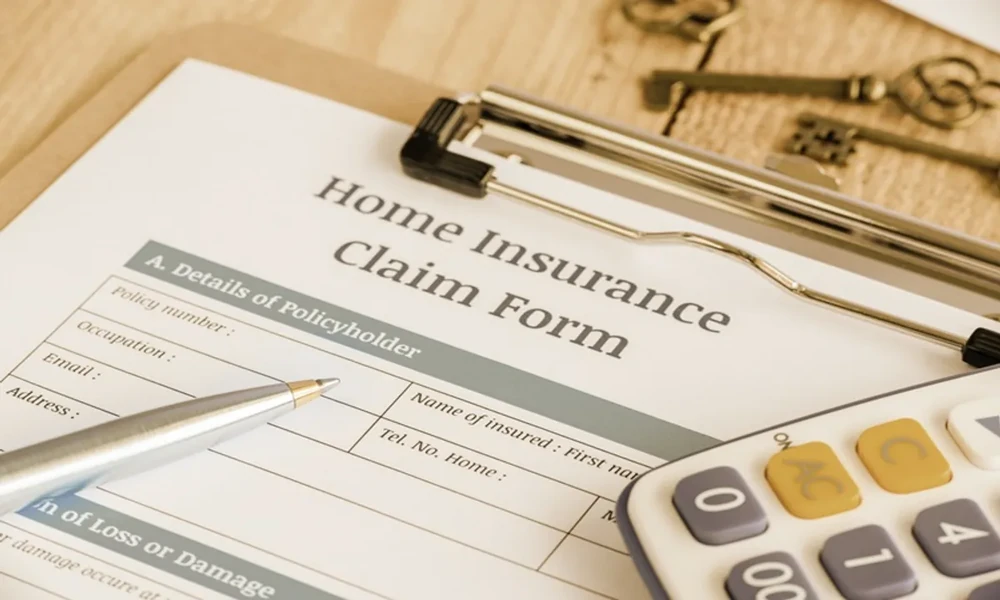
Most homeowners sign their policy, tuck it in a drawer, and assume the system will work for them the moment something goes wrong. It won’t, not automatically. The claims process has a built-in power imbalance that almost nobody talks about, and understanding it before disaster strikes is the difference between a check that covers your actual losses and one that barely covers half.
This isn’t about distrust. It’s about understanding the rules of a game you’ve already agreed to play.
The Adjuster at Your Door Does Not Work for You
Here’s the fact most policyholders miss: the adjuster your insurer sends to inspect your damaged home is employed, directly or by contract, by the insurance company. Their job is to evaluate the claim on behalf of the carrier, not to find every dollar of coverage you’re entitled to collect.
There are three kinds of adjusters you’ll encounter. Staff adjusters are full-time employees of the insurer. Independent adjusters are contractors hired by carriers when claim volume spikes after a storm or disaster. And public adjusters are the only professionals in the room who work exclusively for you, the policyholder. The word “independent” is genuinely misleading here: an independent adjuster is still paid by the insurance company, not by you, and their performance is measured by how efficiently they close claims, not by the size of your settlement.
According to the U.S. Bureau of Labor Statistics’ 2024 Occupational Outlook Handbook, about 356,100 claims adjusters, examiners, and investigators held jobs in 2024, the overwhelming majority employed by or contracted to insurance carriers. Public adjusters represent a small fraction of that total, which is exactly why most homeowners never think to ask for one.
Property Damage Is More Common Than People Expect
A lot of homeowners treat their policy like earthquake insurance: something they pay for but never expect to actually use. The numbers say otherwise.
The Insurance Information Institute reports that property damage accounts for 97.8 percent of all homeowners insurance claims, and roughly 1 in 18 insured homes files a claim in any given year. Wind and hail are the most frequent cause. Water damage and freezing come second. Fire is the least common but the most expensive, averaging more than $83,000 per claim in recent reporting periods.
Illinois homeowners are not insulated from these risks. The Chicago metro and the North Shore communities face severe Midwest thunderstorms, ice damming from hard winters, and occasional flash flooding. The probability isn’t theoretical. It’s a numbers game, and the odds are not as long as most people think.
What this means practically: you should understand the claims process before you need it, not after you’re standing in two inches of water at midnight wondering what to do next.
Three Mistakes That Shrink Your Payout
Homeowners consistently repeat the same errors. Knowing them costs you nothing. Not knowing them can cost you tens of thousands.
Accepting the first offer as the final one. The insurer’s opening number is not a verdict. It is a starting position. Many homeowners assume that because it’s presented formally, on letterhead, it’s a done deal. It rarely is.
Failing to document thoroughly before cleanup begins. The moment you start throwing out damaged materials or making repairs without proper documentation, you lose negotiating leverage. Take video, take photos from multiple angles, and inventory every damaged item before a single piece of debris is removed. A 2023 consumer survey by the Insurance Information Institute found that fewer than half of homeowners had prepared any inventory of their possessions to help document losses for their insurers. That gap shows up directly in settlement outcomes.
Missing covered categories entirely. Most homeowners know their policy covers the structure. Fewer think to claim additional living expenses if the home becomes uninhabitable, or code upgrade costs when a contractor has to bring damaged sections up to current building standards. These categories are often covered. They’re also often missed.
The “Hired Gun” Framework: When Getting Your Own Advocate Makes Sense
Here’s a framework worth keeping in your back pocket. Before you file any significant claim, ask yourself two questions: Is this loss complex enough that the valuation could be disputed? And is the settlement amount large enough that an error in documentation would matter to your financial recovery?
If the answer to either is yes, independent representation deserves serious consideration.
A public adjuster works exclusively for the policyholder, reviews coverage on your behalf, inspects the damage site, assembles claim support data, and negotiates the settlement directly with the insurer. Their fee is a percentage of the final settlement, which means their financial incentive is perfectly aligned with yours: the bigger your payout, the more they earn. That alignment is structurally different from every other professional in the claims process.
A Florida Legislature study by the Office of Program Policy Analysis and Government Accountability (OPPAGA) found that policyholders who hired public adjusters for hurricane-related claims received settlements averaging 747 percent higher than those who handled claims on their own. Even after the adjuster’s fee, the net recovery was substantially larger. That gap doesn’t disappear for everyday claims either. For non-catastrophic losses, the same OPPAGA study found that policyholders with public adjuster representation received settlements roughly 574 percent higher on average.
If you own property in the northern suburbs and you’ve sustained a significant loss, working with a residential insurance adjuster in Lake Bluff, IL, who represents only your interests is often the single highest-leverage decision you can make after a major damage event.
United Policyholders, a nonprofit consumer advocacy organization, puts it plainly in their consumer claims guidance: “a qualified public adjuster can value your losses, handle the day-to-day aspects of your claim and negotiate a settlement on your behalf,” taking a percentage of benefits recovered rather than charging an hourly fee. That structure removes any financial barrier to getting representation on a major claim.
A Pre-Claim Checklist Every Homeowner Should Actually Use
Imagine a hailstorm rolls through your neighborhood on a Tuesday afternoon. By Wednesday morning, a dozen contractors are knocking on doors and your insurer wants to schedule an inspection by the end of the week. This is exactly the moment most homeowners make their costliest mistakes, because they’re reactive instead of prepared.
Run through this before you file:
- Document everything first. Walk the entire property with your phone on video before making any contact with the insurer or contractors. Capture every angle of every affected area.
- Pull your policy and read the declarations page. Know your deductible, your coverage limits, and any endorsements that might apply, including code upgrade or additional living expense coverage.
- Get your own estimate. A licensed contractor’s independent written estimate gives you a baseline to compare against whatever number the insurer’s adjuster produces.
- Keep a claim journal. Log every phone call, every email, every name, every date. Insurance companies have detailed records. You should too.
- Evaluate the settlement offer before accepting it. Ask specifically what line items are included and why anything in your claim was excluded or reduced. If the answer isn’t satisfying, consider bringing in a public adjuster before signing anything.
The claim process is not adversarial by design, but it is a negotiation. Treating it as one, with preparation and the right people in your corner, is the most effective way to make sure your settlement actually reflects your loss.
“Knowing your legal rights will make it easier for you to deal with rotating adjusters and keep your claim on track toward a fair and full claim settlement without unreasonable delays.” – United Policyholders, Insurance Consumer Rights Guidance, 2023
Your insurance policy is a contract, and contracts reward people who understand what they signed. Reading yours before a loss event, building a documentation habit now, and knowing when to bring in a professional who exclusively represents you are the three moves that most policyholders skip. The ones who don’t tend to come out significantly ahead.
| Adjuster Type | Who They Work For | How They’re Paid | Incentive |
|---|---|---|---|
| Staff Adjuster | Insurance carrier | Salary from insurer | Close claims efficiently for the carrier |
| Independent Adjuster | Insurance carrier (contract) | Per-claim fee from insurer | Close claims efficiently for the carrier |
| Public Adjuster | Policyholder | Percentage of settlement paid by policyholder | Maximize settlement for the policyholder |