
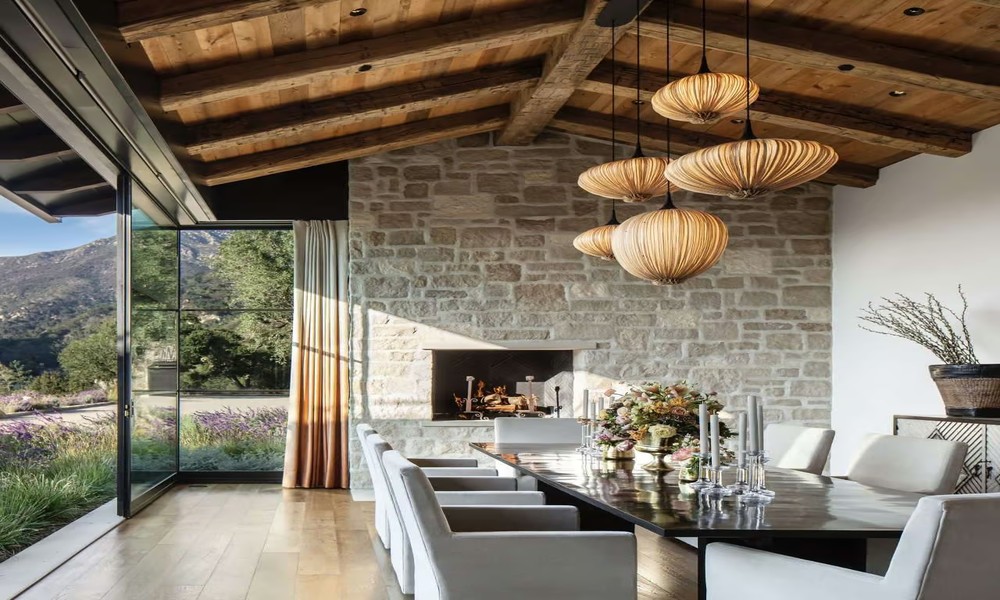
Warmth and authenticity bring character to any architectural space. Many homeowners and designers search for materials that add character while maintaining a clean, contemporary look. Hand-hewn wood beams provide this balance by introducing natural texture and timeless craftsmanship into modern environments.
Designers appreciate how hand-hewn wood beams and mantels create visual contrast without overwhelming sleek interiors. Their rugged surface pairs beautifully with glass, metal, and minimalist layouts, resulting in a refined yet inviting atmosphere. This article explores how these distinctive elements merge traditional craftsmanship with modern architecture and why they continue to inspire contemporary design.
Beauty of Hand-Hewn Beams in Modern Spaces
Hand-hewn beams carry the marks of skilled craftsmanship, which gives each piece a unique story. The natural grooves, slight variations, and organic lines introduce depth that smooth surfaces cannot replicate. When designers place these beams in modern spaces, the contrast becomes visually striking while maintaining harmony.
Contemporary architecture favors open layouts, large windows, and neutral palettes. Hand-hewn wood beams complement these features by adding warmth and dimension. Instead of competing with clean lines, the beams anchor the space and create balance. Their presence softens the sharp edges of modern interiors, making the environment feel welcoming.
Architects also use these elements to connect indoor areas with natural surroundings. Wood textures reflect nature, which enhances spaces filled with daylight. This thoughtful pairing creates interiors that feel grounded, comfortable, and refined.
Why Designers Choose Hand Hewn Elements
Design professionals value hand-hewn beams because they combine visual appeal with timeless character. These elements help create spaces that feel curated and inviting without unnecessary ornamentation.
- Distinctive Appearance: Each beam features natural variations that create a custom architectural feel.
- Architectural Depth: Exposed beams add structure and dimension to ceilings and walls.
- Natural Warmth: Wood textures soften modern materials such as metal and glass.
- Timeless Character: Hand-hewn craftsmanship blends seamlessly with contemporary interiors.
- Balanced Visual Appeal: Rustic texture complements minimalistic environments without overpowering them.
These qualities make hand-hewn beams a preferred choice for modern architectural planning.
Mixing Warm Wood With Modern Design
Modern interiors rely on simplicity, which makes material selection crucial. Hand-hewn beams provide a natural focal point without disrupting clean aesthetics. Their subtle imperfections create interest while maintaining visual clarity.
Many designers pair hand-hewn wood beams and mantels with neutral walls and open floor plans. This approach highlights the wood texture while preserving a streamlined appearance. The combination results in a balanced design that feels both modern and welcoming.
Lighting also enhances the effect of hand-hewn beams. Natural light emphasizes grain patterns and textures, while warm lighting deepens color tones. Together, these elements create a cohesive atmosphere that feels intentional and polished.
Where Hand Hewn Beams Work Best
Hand-hewn beams enhance various areas within modern architecture. Designers strategically place them to highlight structure and elevate visual appeal. Living rooms benefit from exposed beams that draw attention upward and create a sense of openness. Kitchens gain character when beams frame high ceilings or define zones within open layouts.
Entryways also become more inviting when natural wood introduces warmth from the first step inside. Commercial spaces embrace these elements as well. Restaurants, offices, and boutique environments use hand-hewn beams to create memorable interiors. Their presence adds authenticity while maintaining a refined, contemporary aesthetic.
Hand-hewn wood beams continue to bridge rustic charm with modern architecture through natural texture, craftsmanship, and timeless appeal. Their ability to complement clean lines while adding warmth makes them a valuable design element in contemporary spaces. Architects and designers rely on these features to create interiors that feel inviting, balanced, and visually distinctive, ensuring that handcrafted wood remains an enduring part of modern architectural expression.