
Key Takeaways
- A free thinker funeral is not based on any religious doctrine or faith tradition.
- The service focuses on the individual’s life, values, and personal legacy.
- Families have greater flexibility in choosing readings, music, and venues.
- Religious funerals typically follow established rituals and spiritual practices.
- Both approaches honour the deceased but differ in structure and purpose.
Introduction
Funerals provide an opportunity for family and friends to pay tribute to a loved one and gather in support during a period of loss. While many services follow religious customs, others are designed for individuals who do not identify with a particular faith. A free thinker funeral offers a secular alternative that focuses on the person rather than religious beliefs. Understanding the differences between a free thinker funeral and traditional religious services can help families make informed decisions when planning a farewell that reflects the wishes of the deceased.
Focus of the Service
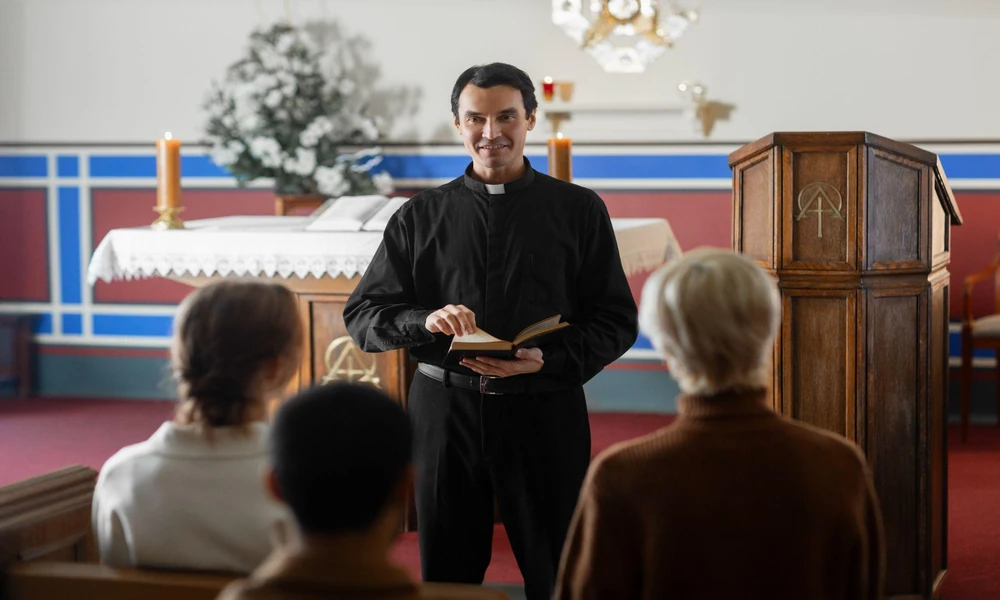
The most significant difference lies in the purpose and content of the ceremony. Traditional religious funerals are guided by the teachings and beliefs of a specific religion. Prayers, sacred readings, hymns, and rituals are often included to reflect the faith’s views on death, mourning, and the afterlife. Religious leaders may also provide spiritual guidance and messages of comfort based on religious doctrine.
A free thinker funeral, on the other hand, centres on the individual’s life and experiences. The service highlights personal achievements, relationships, interests, and values rather than religious teachings. Family members and friends may share stories, memories, and tributes that reflect the character of the deceased. The focus remains on remembrance and celebrating a life lived.
Flexibility in Planning
Traditional religious services generally follow established structures that have been practised for generations. Certain prayers, readings, and ceremonial elements may be expected or required depending on the faith. While families can often personalise some aspects of the service, the overall framework usually remains connected to religious traditions.
A free thinker funeral provides greater flexibility. Families can choose the format, venue, music, readings, and order of events without religious restrictions. The ceremony may be held in a funeral parlour, memorial hall, garden, or another meaningful location. Readings can come from literature, poetry, personal writings, or favourite quotations. This flexibility allows the service to reflect the personality and preferences of the deceased more accurately.
Role of the Officiant
Another key distinction is who leads the ceremony. Religious funerals are commonly conducted by clergy members such as priests, pastors, monks, or other faith representatives. Their role includes leading prayers, performing rituals, and delivering faith-based messages.
In a free thinker funeral, the service is often led by a secular celebrant, funeral director, family member, or close friend. The officiant focuses on guiding the ceremony, sharing the individual’s life story, and facilitating tributes from attendees. The emphasis is on creating a respectful and meaningful remembrance rather than delivering religious instruction.
Approach to Comfort and Remembrance
Religious funerals often provide comfort through spiritual beliefs about the afterlife and divine care. These messages can help attendees cope with grief by drawing upon shared faith and religious teachings.
A free thinker funeral offers comfort through reflection on the deceased’s impact and legacy. Instead of focusing on spiritual outcomes, the ceremony encourages attendees to remember meaningful experiences, relationships, and contributions. The emphasis is placed on appreciating the life that was lived and the memories that remain with family and friends.
Conclusion
Both religious funerals and free thinker funerals serve the important purpose of honouring the deceased and supporting loved ones through grief. The difference lies in how the service is structured and what it emphasises. A traditional religious service follows faith-based teachings and rituals, while a free thinker funeral focuses on personal values, life experiences, and individual choice. For families seeking a secular and personalised farewell, this approach provides the flexibility to create a ceremony that reflects the unique life of the person being remembered.
Contact Confidence Funeral Services to arrange a meaningful free thinker funeral that honours their life and legacy.